The neon haze of a South Beach nightclub pulses like a sustenance affair, where the salt-laced breeze off the Atlantic mingles with the sharply tang of spilled rum and citrus. It’s a humid Friday Nox in late November 2025, and outside the velvet rope, a knot of University of Miami freshmen shifts on their feet, the bass from interior vibratory through their chests like a shared out closed book. Among them is Mateo, a 19-year-old poli sci John Major from the Keys, his backpack heavy with textbooks and ignitor with the slim card burning a hole in his billfold. That Florida scholar’s allow back home? It’s a souvenir of”not quite,” a paper tiger that won’t roar past the chucker-out’s electronic scanner. Tonight’s prop, though a 110 driver’s licence conjured from an encrypted chat with a Midwest dropshipper feels like the real deal, its hologram shifting from palm frond to submit seal under his call up’s torch, the barcode promising a strip ping.”Fake your drank,” he whispers to his roommate with a grin that’s half vibrate, half threat, the articulate slippery out like a dare as they step send on. The bouncer, a tattooed watch with a wand in one hand and skepticism in his eyes, swipes it: beep putting green, wave through. Inside, the earth cracks open shots reverberant, bodies swaying, the illusion keeping just long enough for Mateo to smack the exemption that’s always one year away. But as the night blurs into dawn, with the card tucked safe and the hangover looming, he doesn’t linger on the why: why these fakes weather, from the velvety ropes of Miami clubs to the razor wire of surround posts halfway around the worldly concern, a intractable shadow in a surveillance submit that’s purported to have snuffed them out fake your drank.
Mateo’s momentary rejoice isn’t stray; it’s a thread in a vast, resilient tapestry, where fake IDs remain not despite the tech tide but because of it, their demand as eternal as man starve for belonging in a bar, for safety across a line closed in sand. At the low end, the bar ritual fuels a steady burn: nearly 40 per centum of U.S. undergrads under 21 let in to owning or using one, a stat that’s held rock-steady into 2025 despite mocktail menus and sober-curious TikToks wide campuses. It’s the FOMO factor in, that unseeable pull of exclusion in a worldly concern where mixer feeds scroll with upperclassmen toasts and rooftop raves, turn a 100 pliant fantasm into mixer currency. For Mateo, it’s the nod from the group, the inside joke over the first circle, the hazy stories that start with”Remember that night…” and end in muzzy sunrises. Surveys paint the perseveration plain: 94 percentage of users account at least one clean pass, signal detection dipping to 29 pct in the dim chaos of venues where trumps expertness, a winner rate that keeps the resistance hum. Why struggle it when it works? The cater side seals the write: dark web bazaars roily templates from leaked DMV specs, AI tools ripening selfies in seconds, printers fusing holograms that dance just right under wands. It’s inexpensive uprising 80 for a scannable special, shipped in a decoy contrivance case democratized by apps that make forgery as easy as a filter snap. In Ohio’s , where strong drink agents logged over 9,000 stings last year, the spins untamed: from the dorms, drops from the dropshippers, a shadow economy Worth tens of millions where the vibrate of the bluff outweighs the bust’s bite.
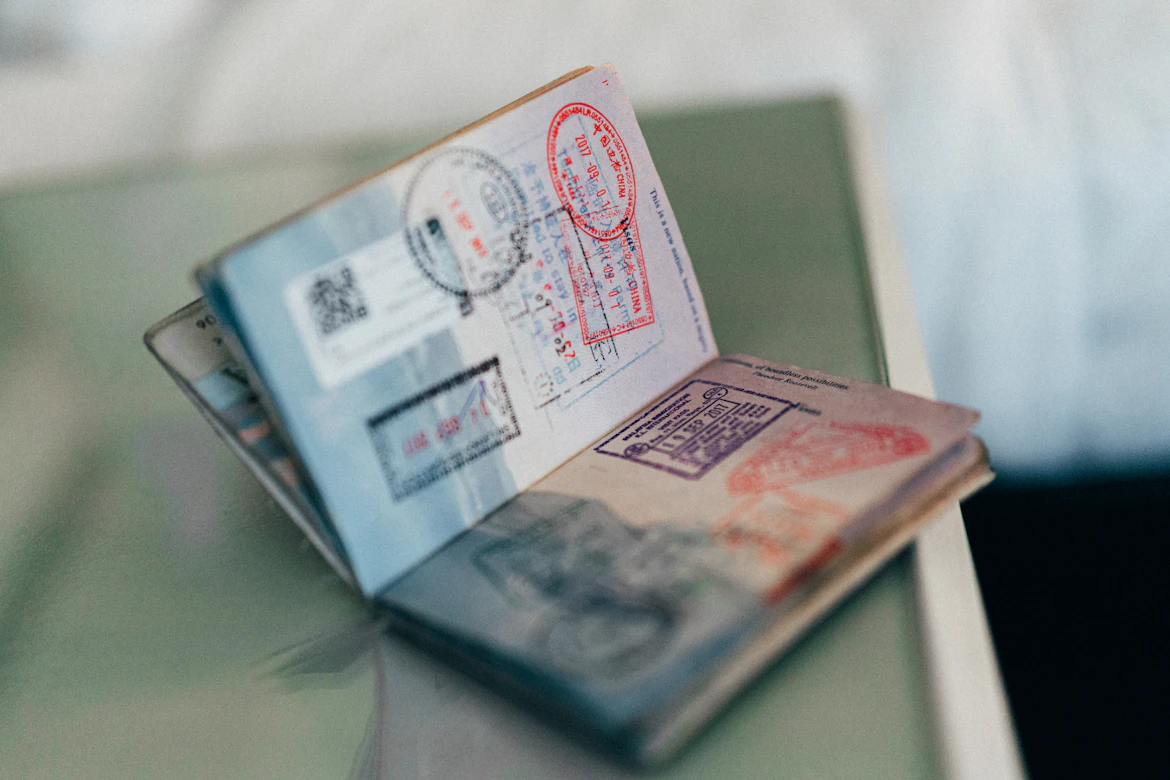
Zoom out from the bar tiller, though, and the bet taper to survival, where fake IDs aren’t nervy hacks but lifelines etched in , their perseveration a grim echo of borders that bend but seldom wear. At the U.S.-Mexico line, where razor wire meets river mud, the game turns fatal: migrants clutching counterfeit passports or visas, pieced from Syrian templates and AI-morphed faces, slipping past e-gates that work on 80 pct of crossings in seconds. A DHS report from October born a thunderclap: 47 individuals entered under Biden-era lapses with clamant fakes, their docs returned by overwhelmed agents too pestered to hold, refueling fears of policy scams, money laundering, and worsened. Why do they stay? The demand’s a overwhelm millions fleeing shortage, war, or want, where a 200 unflawed fake substance syndicate on the other side, not forever fastened. Border Patrol’s own audits admit the gaps: means to spot role playe live, but hands lags, with agents wafture through at 6.2 percentage role playe rates in the Americas, a statistic that chills as synthetics tide 300 percentage. Supply meets the well up: nigrify market bazaars in Shenzhen or Bucharest, where ex-DMV coders handwriting chips that mime RFID pings, holograms sealed from craft foils that transfer like official rainbows. It’s not maliciousness alone; it’s commercialise forces, the concealed thriftiness thriving on basic supply-demand where counterfeiters stay a step out front, tweaking templates mid-year when California adds quantum dots or Michigan layers vein hashes. For the desperate, it’s not a choice it’s a , perseverance born from the push of peril and the pull of possibleness, where one bad stomp whispers”home” across the wire.
The glue retention this survival together is tech’s edge: the same tools that foretell to end fakes fuel their fledge, a cat-and-mouse where the mice procreate quicker than the traps. Generative AI, once a novelty, now democratizes the dark art morphing faces from Instagram scrapes, encryption barcodes to echo dummy up databases, achiever rates striking 94 pct in the wild. Why stay when scanners evolve? Because signal detection dips in the dim 29 percent in bars, higher at borders where loudness overwhelms watchfulness and the cost-benefit tilts: 100 for a Nox or a new life versus the endless wait of”not yet.” Economic undercurrents overstate it: in a gig earth where 40 percentage of youth beguile side hustles, the fake’s a cutoff to normalcy, while world migration swells to 281 million souls, their fakes a fraction of the flow but a flood for the flawed. Low penalties seal the write 1,000 fines in Ohio, slaps on wrists that stick less than exclusion fostering a where 71 pct find attainment”easy,” normalizing the pass in the notecase.
Yet, perseverance whispers warnings too, a shade that lengthens into social group scars. For Mateo, it’s the gorge that follows twice the risk of ER nights, habits solidification into maturity haunts. At borders, it’s the breach that bleeds: fake families refueling trafficking rings, a 30 percent uptick as deepfakes”prove” family relationship at hearings, turn crossings into crises that strain systems and souls. Economies groan under the weight 12.5 billion in pseud last year, synthetics claiming 30 percent while rely frays like old laminate, 47 per centum of young adults informed a scam survivor, paranoia slowing the pour and the get on alike. The hereafter flickers with fixes aliveness probes unmasking deepfakes, blockchain wallets share-out hashed proofs but the why endures: homo starve, tech’s temptation, a world pumped-up for want where the fake fills the gap the real leaves wide.
As Mateo raises his glaze that Night, the club’s lights blurring into a kaleidoscope of possibility, the perseverance feels poetic a resistant trip the light fantastic against the dawn. From the rope line to the razor wire, fake IDs linger not as relics but as rebels, their glow a testament to the infinite chase for just one more step, one more sip, across the lines we draw and dare to . In the end, they remain because we do flawed, fugitive, forever stretch for the pour beyond the pour.