The Difference Is Small On Paper And Big In Practice
Isobutane and butane get lumped together constantly in casual conversation among extraction technicians, and on paper the two hydrocarbons do look similar enough to explain the confusion. Both are used as extraction solvents, both come in cylinder or drum quantities, and both show up on the same supplier product pages sitting right next to each other. But they behave differently under pressure in ways that meaningfully affect a finished product, and technicians who treat them as interchangeable often end up chasing inconsistent results without immediately understanding why.
Isobutane has a notably lower boiling point than straight butane, which changes its behavior during the purge stage of extraction in a way that some technicians actively prefer and others avoid depending on what they’re trying to produce. The faster evaporation rate means isobutane tends to purge more quickly, leaving less residual solvent trapped in the final product, which matters a great deal on runs where time in the vacuum oven is a genuine bottleneck in the production schedule.
Why Faster Isn’t Always Better
It’s not a universal upgrade, though, and framing it that way misses an important tradeoff that shows up specifically around terpene retention. A few labs I’ve talked to still strongly prefer straight butane for certain strains precisely because the slower purge rate gives more control over how much terpene content survives the process. Terpenes are volatile compounds, and they tend to evaporate right alongside the solvent during purging. A faster purge with isobutane can end up stripping out more of those aromatic compounds than a slower, more controlled purge using standard butane would.
Since terpenes are frequently the exact thing customers are paying a premium for in a finished extract, particularly in markets where flavor and aroma drive purchasing decisions more than potency alone, that tradeoff isn’t trivial. A technician optimizing purely for speed might end up with a technically cleaner product that tastes noticeably flatter than one produced with more patience.
Testing Both Before Committing
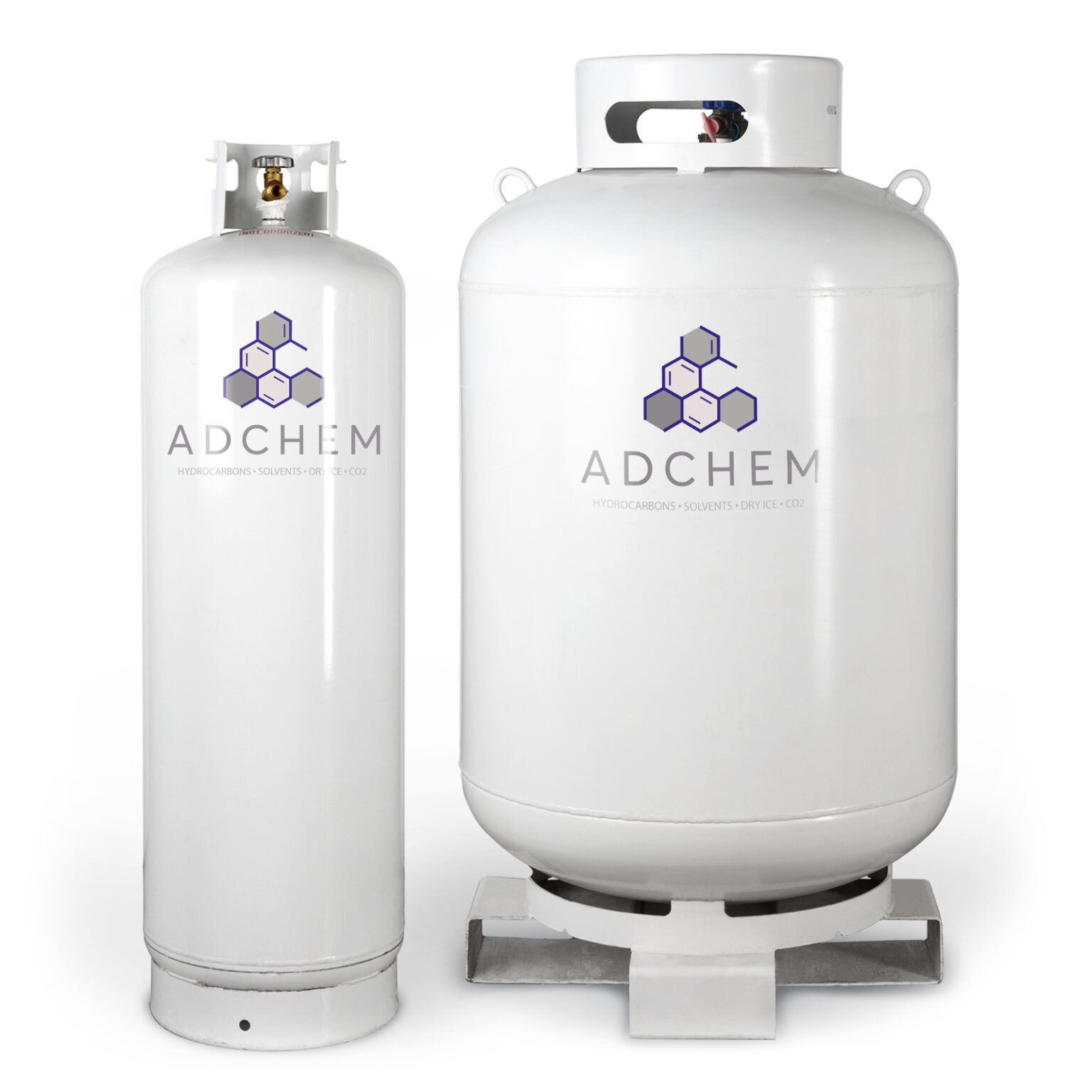
If you’re testing which solvent works better for your specific process and strain combination, most suppliers sell isobutane cylinders for extraction in smaller quantities specifically for this kind of comparison testing, so you’re not committing to a full drum order before you actually know which one your product needs. That smaller-batch approach turns out to be worth the slightly higher per-unit cost, since guessing wrong on a full drum order means either working through inventory you’re not fully happy with or eating the cost of switching mid-supply.
One extraction tech I spoke with said it took three separate side-by-side batches, run under otherwise identical conditions, before the textural and flavor difference became obvious enough to actually settle a running disagreement with his business partner about which solvent the shop should standardize on. They’d gone back and forth for months based on gut feeling before finally running the comparison properly, and both admitted afterward that the formal test resolved the argument faster than any amount of further debate would have.
A Practical Framework for Choosing
The practical takeaway that came up across several conversations wasn’t a universal answer favoring one solvent over the other, since the right choice genuinely depends on the specific strain, the target product type, and what customers in a given market actually prioritize. Instead, the consistent advice was to treat the choice as something worth actively testing rather than defaulting to whatever a lab happened to start with out of habit or whatever a previous employee preferred.
Running a controlled comparison, tracking terpene retention data where testing equipment allows for it, and getting direct feedback from a few trusted customers on flavor differences turned out to be more reliable than any general rule of thumb passed around in extraction industry forums, where opinions tend to be strongly held but not always backed by an actual side-by-side test under controlled conditions.
How One Shop Settled the Debate for Good
The shop that ran the side-by-side comparison mentioned earlier eventually turned their informal test into a standing internal protocol, since the disagreement between the two partners kept resurfacing every time a new strain came through and they had to re-decide which solvent to use. Now, any new strain gets a small test run with both isobutane and standard butane before a full production decision gets made, with both partners independently rating the resulting product on flavor and texture before comparing notes.
That formalized process has occasionally surprised them. A couple of strains performed better with isobutane despite their general house preference for butane’s slower purge, which neither partner had expected going in, having assumed their established general preference would hold consistently across every strain they processed. The exceptions turned out to be strains with especially delicate terpene profiles, where isobutane’s faster purge actually preserved more of the volatile compounds than expected, contrary to the general pattern they’d observed with heartier, more robust strains.
Their takeaway, which they’ve since shared with a couple of other shops in their local extraction community, is that a general house preference is a reasonable starting default but shouldn’t override strain-specific testing when time allows for it. The extra test run costs a small amount of material and a day of processing time, which they consider cheap insurance against standardizing on the wrong solvent for a specific strain purely out of habit.