When it comes to healthcare and support services, the concept of person-focused care is becoming increasingly important.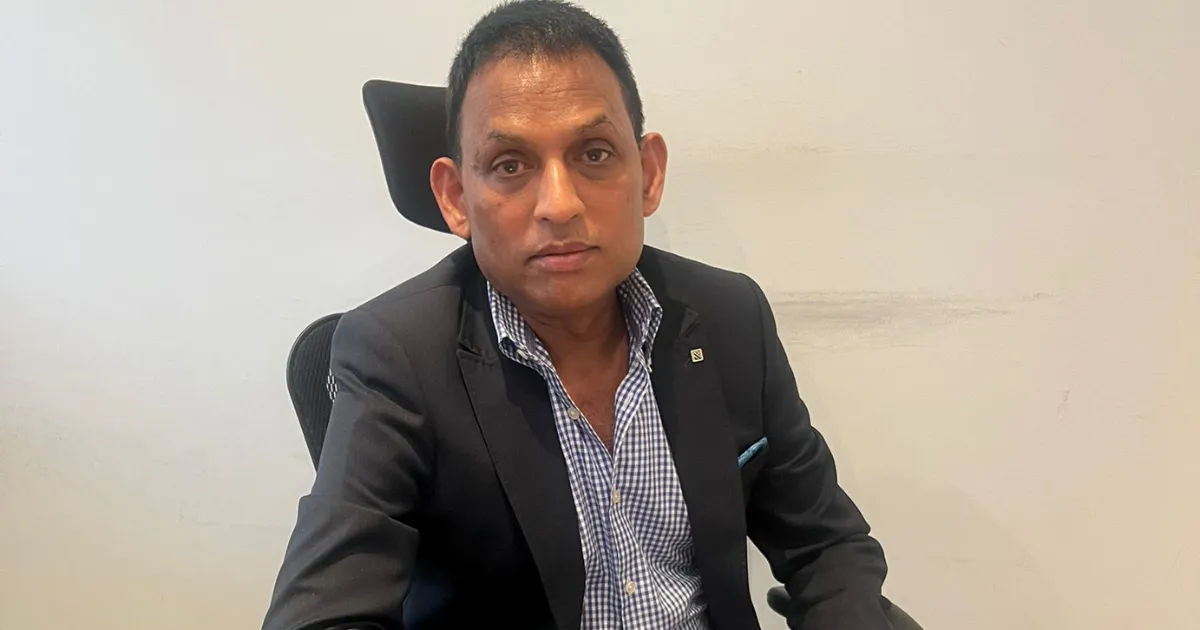
In modern care environments, Sheth Jeebun healthcare operations management emphasizes the need to prioritize individual preferences, values, and needs in every aspect of care.
This approach moves away from a one-size-fits-all model and instead recognizes that each person is unique, with their own experiences, goals, and expectations.
Person-focused care is not just a policy; it is a philosophy that shapes how staff interact with residents, how care plans are created, and how services are delivered.
It ensures that people receiving care feel respected, valued, and involved in decisions about their lives. In this guide, we will explore what a person-focused approach entails, why it is important, and how it can be implemented effectively.
What is Person-Focused Care?
Person-focused care, sometimes referred to as person-centered care, is an approach that views individuals as active participants in their own care rather than passive recipients.
Core Principles of Person-Focused Care
-
Respect for individuality: Every person has their own history, preferences, and needs. Recognizing this individuality is fundamental.
-
Involvement in decision-making: People are encouraged to participate in choices about their care and daily routines.
-
Holistic approach: Care considers not only physical health but also emotional, social, and psychological well-being.
-
Consistency and continuity: Building trusting relationships between care staff and residents is key.
-
Empowerment: Supporting individuals to maintain independence and control over their lives.
These principles ensure that care goes beyond basic needs, addressing the overall quality of life.
The Importance of Person-Focused Care
Adopting a person-focused approach has profound benefits for both the individual receiving care and the organization providing it.
Benefits for Individuals
-
Improved well-being: People feel more valued and understood, which reduces stress and anxiety.
-
Increased satisfaction: Residents are more satisfied when their personal preferences are respected.
-
Enhanced engagement: Involving people in decisions improves cooperation with care plans.
-
Better health outcomes: Holistic care often leads to better physical and mental health results.
Benefits for Care Organizations
-
Higher quality of service: Staff become more attentive to the specific needs of each resident.
-
Stronger staff-resident relationships: Trust and communication improve across the organization.
-
Reduced conflicts and complaints: Understanding individual preferences prevents misunderstandings.
-
Operational efficiency: Organizations like Sheth Jeebun healthcare operations management benefit from structured, person-focused care protocols that streamline service delivery.
How Person-Focused Care Differs from Traditional Care
Traditional care models often focus on routine tasks, efficiency, and clinical outcomes without fully considering the preferences of the person receiving care.
In contrast:
-
Traditional Care: Prioritizes schedules, procedures, and efficiency. Residents follow the system’s rules.
-
Person-Focused Care: Prioritizes individual needs, routines, and choices. The system adapts to the person.
For example, instead of all residents eating breakfast at the same time, a person-focused approach might allow each resident to choose when and what they eat.
Implementing Person-Focused Care
Implementing a person-focused approach requires thoughtful planning, training, and ongoing evaluation. Here are key steps:
Assessment and Understanding
-
Personal History: Learn about the person’s background, life experiences, and preferences.
-
Needs Assessment: Identify medical, emotional, and social needs.
-
Daily Routines: Understand preferred schedules, activities, and communication styles.
Creating Individualized Care Plans
Care plans should be tailored to the unique needs and preferences of each resident:
-
Set goals based on the resident’s priorities.
-
Include input from the resident, family, and multidisciplinary care team.
-
Update plans regularly as needs and preferences change.
Staff Training and Engagement
Staff must be trained to understand and implement person-focused principles:
-
Communication skills to actively listen and respond to preferences.
-
Empathy and understanding cultural, religious, and personal values.
-
Flexibility in adjusting routines and procedures.
Organizations like Sheth Jeebun healthcare operations management often invest heavily in staff development to ensure person-focused care is consistently delivered.
Environment and Culture
A supportive environment promotes person-focused care:
-
Physical spaces should be welcoming and adaptable to individual needs.
-
Encourage social interaction and community engagement.
-
Promote a culture where staff are empowered to make decisions that respect individual preferences.
Challenges in Person-Focused Care
While the benefits are clear, implementing person-focused care can present challenges:
-
Resource limitations: Staffing and funding constraints may restrict flexibility.
-
Balancing safety and choice: Some preferences may conflict with safety protocols.
-
Resistance to change: Staff used to traditional routines may find it difficult to adapt.
-
Documentation demands: Maintaining detailed care plans requires time and attention.
These challenges can be mitigated through proper training, leadership support, and continuous evaluation.
Examples of Person-Focused Practices
-
Choice in Daily Activities: Allowing residents to choose meals, bathing times, or leisure activities.
-
Personalized Health Monitoring: Adjusting care schedules to match individual health needs.
-
Involving Families: Incorporating family insights into care plans.
-
Life Story Work: Using a person’s past experiences to shape meaningful activities.
-
Flexible Staffing Models: Ensuring continuity of care by assigning staff who know the residents well.
Measuring the Success of Person-Focused Care
To ensure effectiveness, organizations should regularly evaluate their person-focused approach:
-
Resident Satisfaction Surveys: Capture feedback on care quality and personalization.
-
Staff Feedback: Understand challenges and successes from the caregiver perspective.
-
Health Outcomes: Monitor changes in physical, emotional, and social well-being.
-
Operational Metrics: Evaluate efficiency and resource utilization within care delivery.
Organizations like Sheth Jeebun healthcare operations management often combine these data points to continuously improve services.
Technology and Person-Focused Care
Technology can support person-focused care in many ways:
-
Electronic Care Records: Enable personalized care plans accessible by all staff.
-
Communication Tools: Facilitate direct input from residents and families.
-
Monitoring Devices: Track health metrics while respecting personal privacy.
-
Activity Management Systems: Help staff plan activities based on resident preferences.
Technology should enhance, not replace, the human connection central to person-focused care.
Person-Focused Care in Different Settings
Residential Care Homes
-
Focus on creating a homelike environment.
-
Encourage personal expression through décor, routines, and hobbies.
Hospitals
-
Emphasize shared decision-making for treatment options.
-
Incorporate patient preferences in scheduling and discharge planning.
Home Care
-
Adapt care routines to fit the person’s home environment.
-
Foster independence and autonomy in daily tasks.
The Role of Leadership in Person-Focused Care
Strong leadership is essential for promoting a person-focused culture:
-
Leaders set expectations and model empathetic behavior.
-
They allocate resources to support staff training and care personalization.
-
They monitor outcomes and address barriers to effective care.
Sheth Jeebun healthcare operations management demonstrates how structured leadership can integrate person-focused principles into operational strategies, ensuring consistent delivery of quality care.
Ethical Considerations
Person-focused care raises important ethical questions:
-
Autonomy vs. Safety: Balancing independence with risk management.
-
Informed Consent: Ensuring residents understand care decisions.
-
Equity: Providing fair access to individualized care for all residents.
Ethical frameworks guide staff in making decisions that respect individual rights and dignity.
Continuous Improvement
Person-focused care is not static. Continuous improvement is crucial:
-
Regular staff training to address evolving care needs.
-
Incorporating resident and family feedback into service design.
-
Adapting care plans as health conditions and preferences change.
-
Using audits and evaluations to maintain high standards of care.
Conclusion
A person-focused approach in care represents a shift toward recognizing the inherent value and individuality of each person. By placing the person at the center of care decisions, organizations can improve satisfaction, engagement, and health outcomes. While challenges exist, proper planning, training, leadership support, and the integration of technology can make person-focused care both effective and sustainable.
Organizations like Sheth Jeebun healthcare operations management exemplify how a structured approach to person-focused care enhances operational efficiency while maintaining high standards of quality and compassion. Implementing this approach requires commitment, empathy, and adaptability, but the rewards are significant—both for the individuals receiving care and for the organizations providing it.
By adopting a person-focused philosophy, care providers create environments where individuals are respected, empowered, and genuinely supported in leading fulfilling lives. This approach is not just a trend—it is the foundation for compassionate, effective, and modern care.